




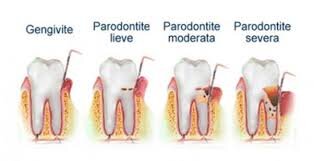
By Dr. Giovanni Scalisi (Spec. in Odontostomatology) Heavy smokers must resign themselves over time to having a smile... without teeth!! (Journal of Periodontology) Smoking, both active and passive, has a strong negative impact on health to the extent that it is considered the leading cause of preventable death in industrialized countries. The most significant damages are to the respiratory and cardiovascular systems; however, remembering that the mouth is the entry point for smoke, there are also numerous diseases, often underestimated or even unknown, affecting the oral cavity. About 4,000 harmful substances are produced by cigarette combustion, many of which are toxic and irritating, while others are carcinogenic. Let's look in detail at what the smoking habit causes over time in the tissues of the oral cavity and the stomatognathic system. ENAMEL The formation of stains and discolorations, ranging from yellow to brown on natural teeth and on conservative and prosthetic restorations, remains the most well-known and probably the most visible damage. The increased formation and deposition of tartar (calcified dental plaque) causes an alteration of the tooth surface, which, being rougher, promotes further plaque buildup and thus greater susceptibility to cavities. Pipe smoke can cause wear on the edges of the front teeth due to repeated trauma. THE GUMS Cigarette smoke, by causing tissue hypoxia, favors the selection in the plaque of more aggressive, anaerobic bacteria, which are often responsible for severe forms of periodontitis (inflammation of the supporting tissues of the tooth, the periodontium). The medium- to long-term damages are represented by increased tooth mobility due to marked resorption of the alveolar bone and marginal gum, with subsequent tooth loss. This condition is three times more frequent in heavy smokers than in non-smokers.
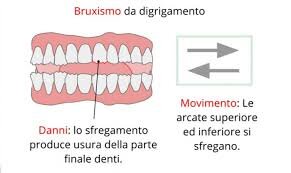
MUCOUS MEMBRANE DISEASES Candidiasis is a common fungal infection in patients with compromised immune systems (diabetics, immunosuppressed, elderly, cancer patients). It appears as white patches on the mucosal surface that, if scraped, are usually removable. Smoking, by reducing local and general immune defenses, frequently predisposes to the development of oral candidiasis. DENTAL IMPLANTS Tobacco smoke worsens and slows the healing of wounds following oral surgery. In implantology in particular, the smoking habit increases the risk of implant failure three to six times in the short and medium term. The risk of peri-implantitis (infections around the implant screws) is three to five times higher than in non-smokers. SURGICAL WOUNDS It is well known that tobacco smoke slows wound healing; in addition to negatively affecting the local defenses of the mouth (immunoglobulins and immune cells), tissue hypoxia in the oral cavity alters the physiological healing and repair processes following oral surgery. Post-extraction alveolitis (bone infections after tooth extraction) are four times more frequent in smokers than in non-smokers. BRUXISM The meaning in the Greek language (βρύχω) is literally "teeth grinding": it is a phenomenon that affects 5 to 20% of the population, is highly underestimated, and can manifest as involuntary and unconscious grinding and rubbing of the upper teeth against the lower teeth. In a more subtle form, bruxism can manifest through jaw clenching, a condition that leads to keeping the muscles rigid, in a fixed position, without any dental contact, and this latter is considered by experts to be one of the emerging phenomena of the new millennium. In smokers bruxism has been found to occur five times more frequently than in non-smokers, probably because nicotine has a dopaminergic effect. According to some researchers, dopamine release also appears to be involved in regulating emotions triggered in situations of discomfort and anxiety, as well as being implicated in the development of repetitive oral behaviors (clenching or grinding teeth, chewing gum, or biting nails, etc.). One of the most evident consequences of bruxism is excessive and abnormal tooth wear and the presence of chips or cracks in both natural teeth and dental restorations, such as crowns, inlays, veneers, and fillings. Functional difficulties often also appear in the normal opening and closing movements of the mouth, headaches, earaches, and disorders of the masticatory muscles and the temporomandibular joint.
LEUKOPLAKIA: is a typical lesion of the oral cavity found in about 4% of adults and is strongly correlated with tobacco use (70-90%). It appears as a whitish plaque, sometimes rough, most often located on the inner mucosa of the lips and cheeks and can be painful and sometimes can alter the perception of the taste of food. Leukoplakia related to smoking can disappear completely in about 75% of cases or show regression within 12 months if the patient quits smoking. Generally, about 6% of leukoplakias, after 10 years from diagnosis, undergo malignant transformation, while lesions that already show dysplasia transform in 16-36% of cases (Reichart 2001). These percentages are closely linked to risk factors (e.g., tobacco) and their maintenance after diagnosis. Leukoplakia should in any case be considered a possible precancerous lesion and as such carefully monitored. It is now well known that tobacco in all its forms causes oral cancer. Over 80% of all oral carcinomas are attributable to tobacco use. Oral cancer includes that of the lip, tongue, gum, mucous membranes of the mouth, and oropharynx (the initial part of the throat).
ORAL CAVITY CANCER