



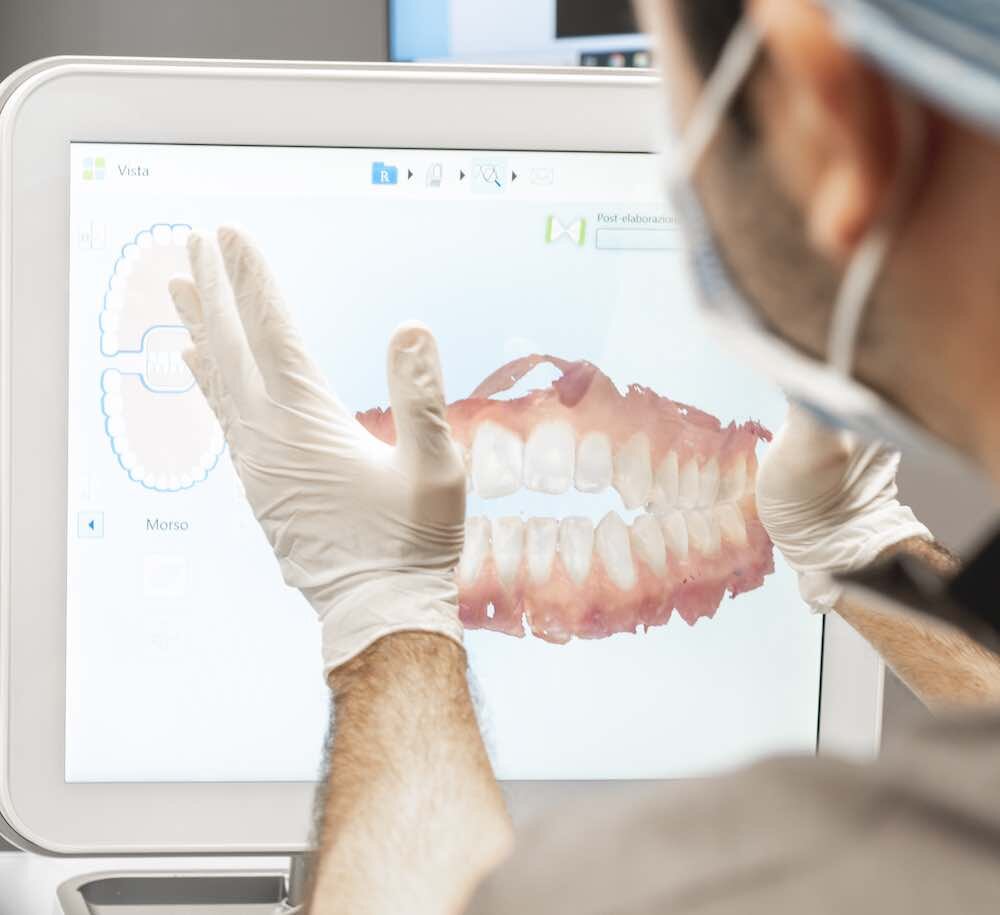
By Dr. Giovanni Scalisi (Specialist in Odontostomatology) The first question that naturally arises is: "why use something digital?" The answer is the same as you would give if you asked yourself why use a smartphone, a computer, digital photography, or GPS. All of us, whether we like it or not, have been catapulted into the digital age.Conventional impression vs digital impression
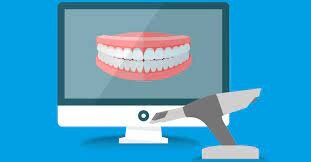
When a traditional impression is taken, the impression material is mixed in a bowl and then distributed on a tray of suitable shape for the patient's arches. Next, the impression tray with the material is inserted into the patient's oral cavity and you wait for it to harden. The impression taken with the traditional method represents the negative of the oral cavity; afterwards, the dental technician will make the plaster model. The quality of the impression can be compromised by bubbles, streaks, tears, etc. Thanks to the digital impression, the dentist receives immediate feedback on their work, avoiding additional appointments and new impressions. The digital impression can also be up to 20 minutes faster than conventional impressions, which translates into significantly less stress for the patient, also considering the fact that the need to keep the mouth open is minimal with digital impressions, since there is no impression material that can bother the patient in any way.
The digital impression has improved this process and made it possible to evaluate the procedure in real time. That is, by using an intraoral scanner equipped with a small camera, the dental arches are scanned so that they can be viewed in real time on a computer monitor. In this way, the problems of a traditional impression are eliminated, namely:The digital impression is more precise and also takes less time
How a digital impression is taken
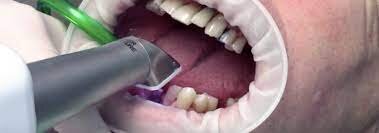
The intraoral scanner is a device equipped with a camera that allows the acquisition of digital data. Without any type of powder or liquid, the scanner detects the dental arches and scans them in just a few minutes. After taking the digital impression, the data is transferred to software that allows the case to be processed and finalized. The generated impression can be the same color as the patient's arches and will be shown in real time to the patient, who will be able to understand the rehabilitation that is about to be performed. Thanks to the digital impression, it is possible to create the required prosthetic devices precisely, quickly, and comfortably for the patient. In addition to prosthetic applications, the digital impression can also be used for orthodontic treatments. Ultimately, digital impressions and intraoral scanners are taking over from conventional impressions. Although only 9% of practices adopt this method, it is expected that in the future the majority of impressions will be digital. In the next 5-10 years, it is estimated that the percentage will be close to 100%.